Examples of Hyperboles: 40 That Work, 10 That Don't
40 hyperbole examples that land, 10 that misfire, and a 3-question test to calibrate any exaggeration before you publish. See exactly why each one works or fails.


40 hyperbole examples that land, 10 that misfire, and a 3-question test to calibrate any exaggeration before you publish. See exactly why each one works or fails.
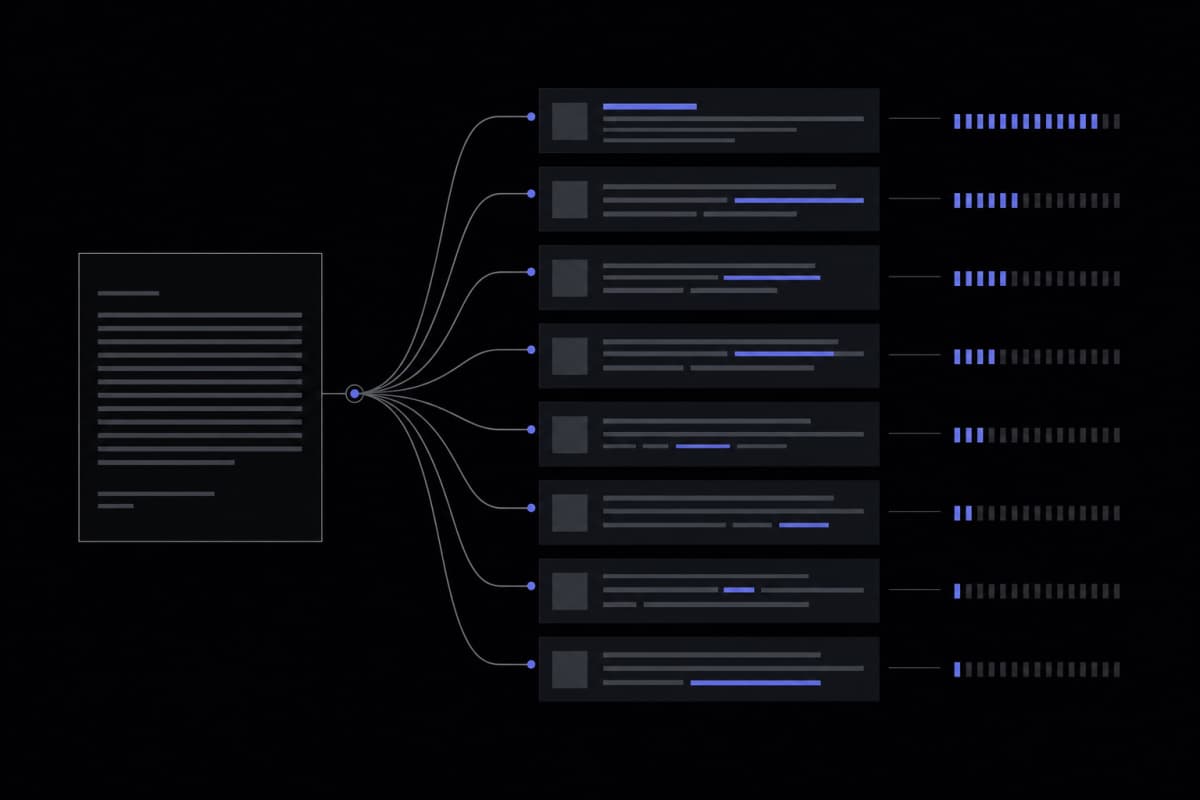
We fed 3 identical passages into 8 AI paraphrasers and scored every output on meaning, fluency, tone, and free-tier value. Here's what we actually found.
Learn exactly when and how to use parentheses—including punctuation rules, the removability test, and when to choose dashes or commas instead.
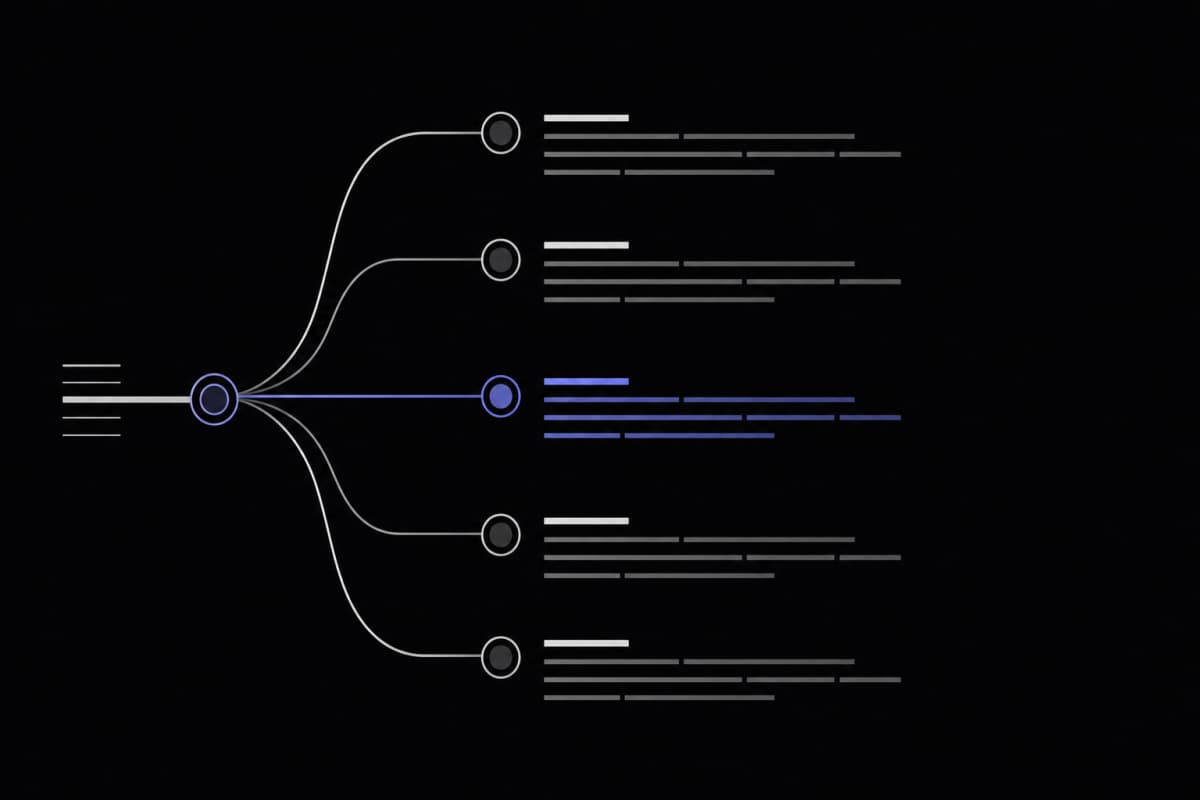
Stop overusing "write." This guide organizes 50+ synonyms by register — formal, creative, casual — with a connotation map to pick the perfect word every time.
We ran 5 real documents through Grammarly and 6 rivals. Here's what each tool actually caught—and which one fits your situation.
Everything that changes when IELTS Writing moves to a screen — format, timing strategy, scoring traps, and a 6-week Band 6→7+ preparation plan.
60 oxymoron examples grouped by purpose, a crisp breakdown of oxymoron vs paradox, and a 3-signal Freshness Audit to cut dead figures from your writing.
Confused by predicates? Learn every type—simple, complete, compound—plus a 2-question test to find them and 4 subtle errors that slip past most editors.
Scribbr is solid, but is it right for you? We scored 7 citation generators on accuracy, style coverage, exports & pricing — no fluff, just honest results.
Confused by em dashes, en dashes, and hyphens? Learn exactly when to use each mark, with shortcuts, style guide rules, and before/after examples.
Canceled or cancelled — both are correct, but the wrong one for your audience looks careless. Here's the exact rule, dialect by dialect.
Grammatically correct pronouns can still confuse readers. Learn the 4 ambiguity patterns and 25 before/after rewrites to fix unclear pronoun references fast.
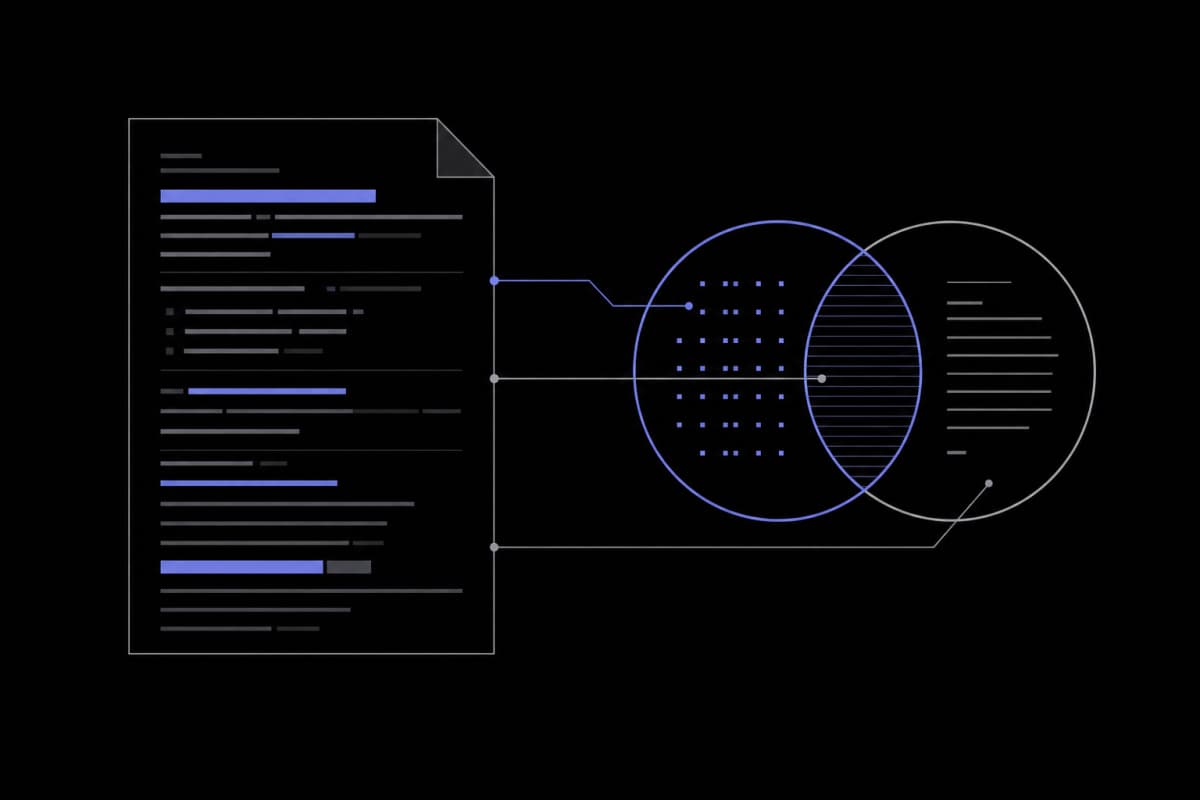
AI detectors and plagiarism checkers answer different questions. Confusing them leads to wrong conclusions. Here's how each works and when to use them.
Revision, editing, and proofreading are three distinct stages — and mixing them is why drafts stay mediocre. Here's how to separate them and do each one well.
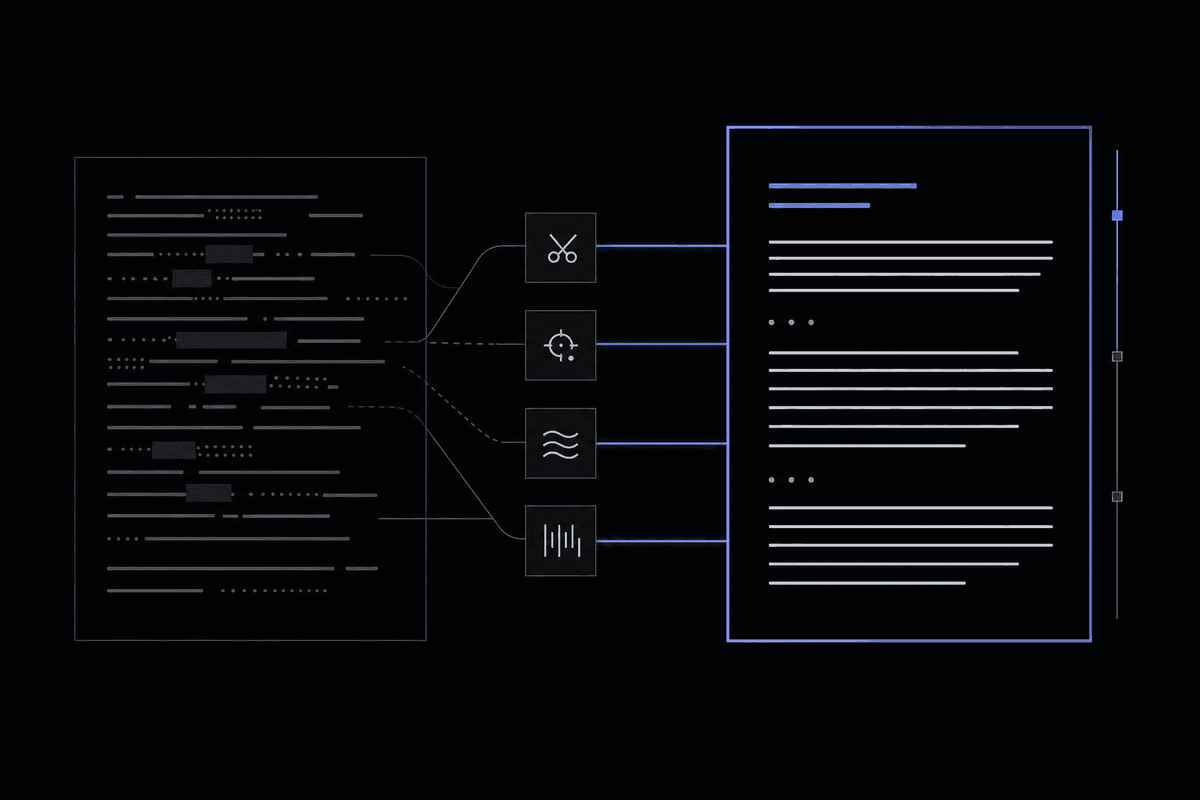
AI drafts carry nine structural fingerprints that prompting can't fix. This 4-pass editing workflow shows you how to humanize AI text for good.
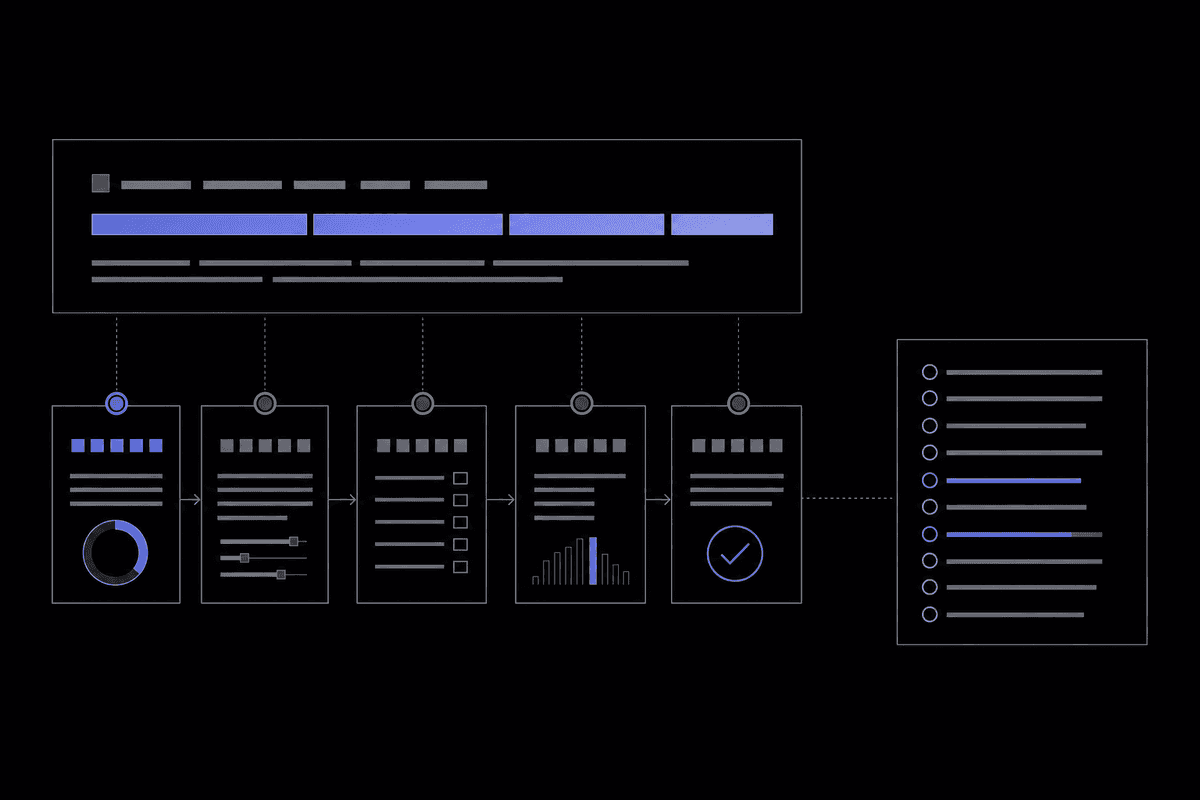
Master headline writing with a practical scoring rubric, proven structures, and a 12-point checklist that catches the quiet mistakes killing your CTR.
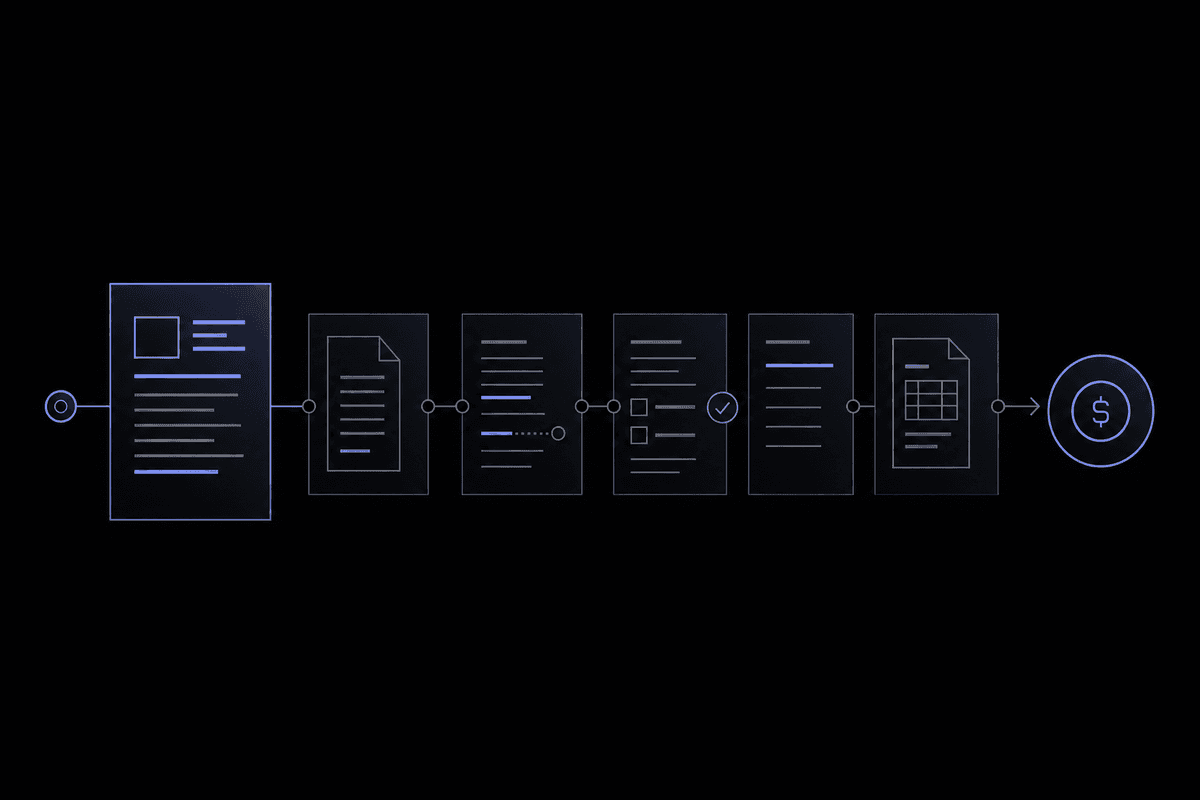
Struggling with late payments, endless revisions, or missed deadlines? This 7-stage freelance writing workflow fixes your process from pitch to payment.
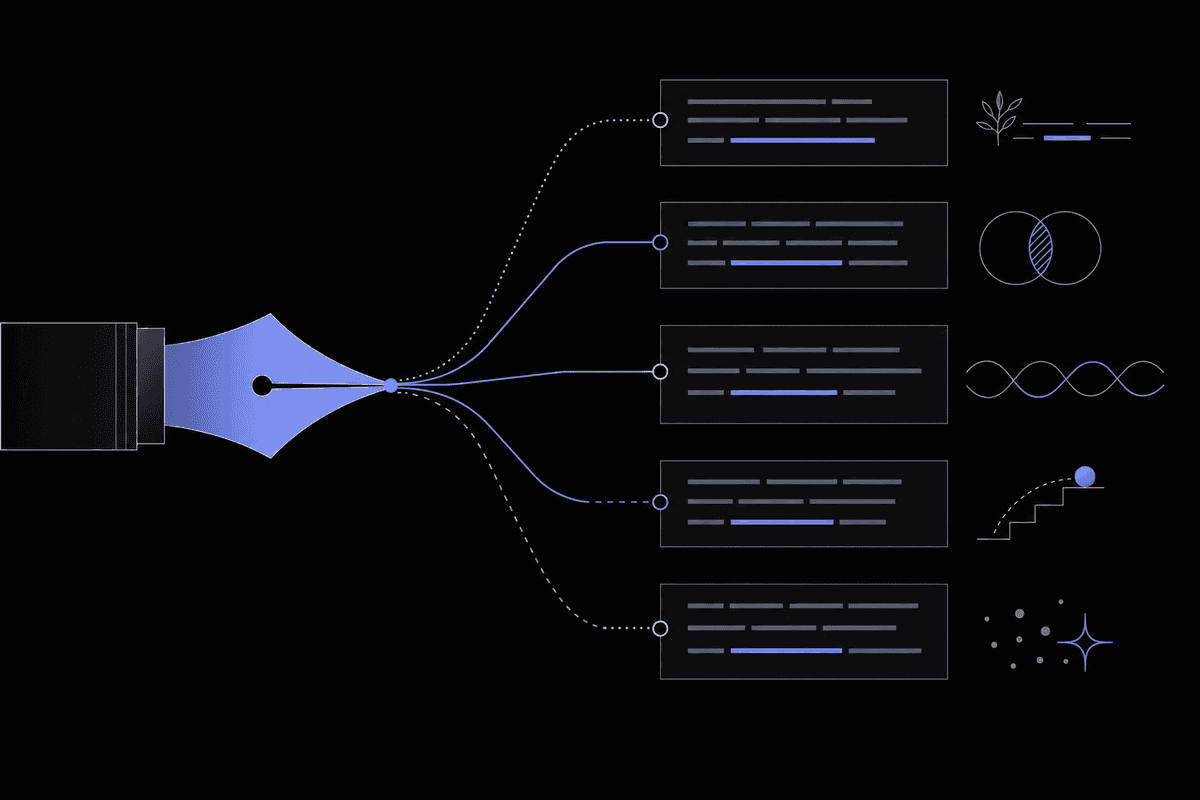
Discover powerful figurative language examples — from similes to allusion — and learn how to use each device to make your writing vivid and memorable.
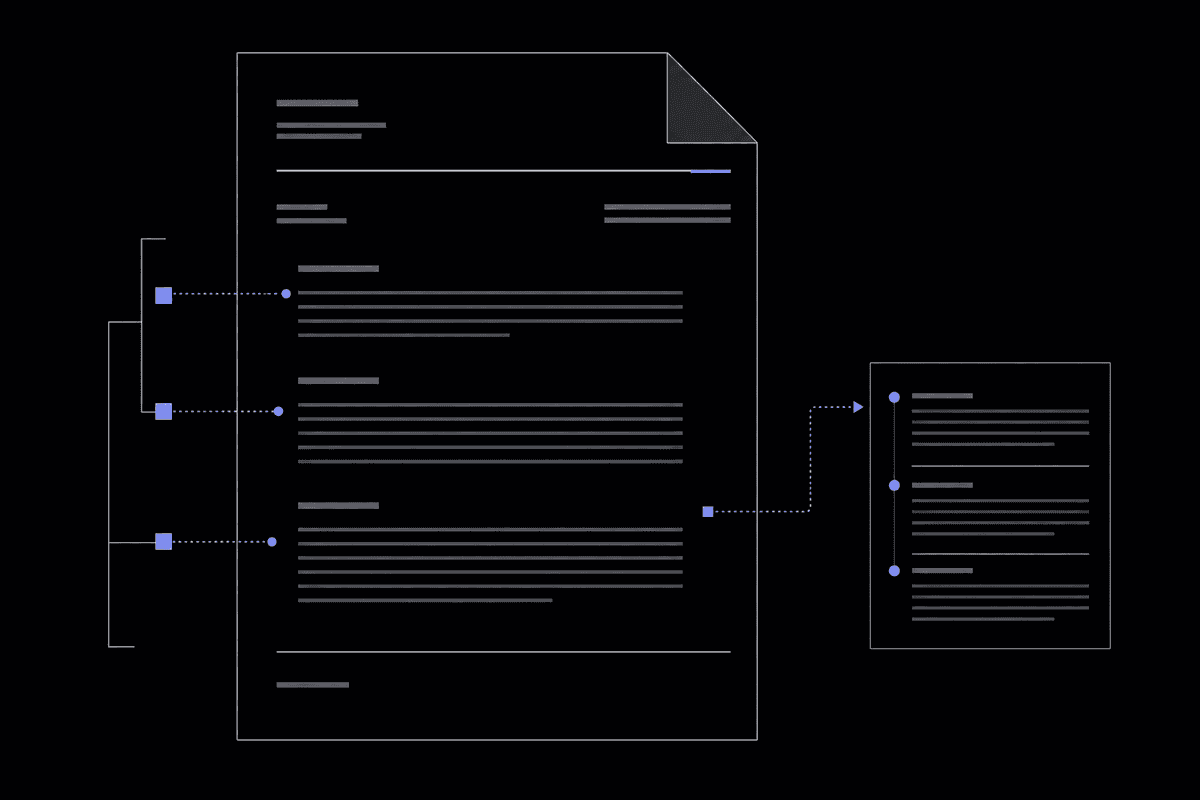
Master MLA format for essays in 2026: headers, in-text citations, Works Cited, and common mistakes—all based on the MLA Handbook 9th Edition.
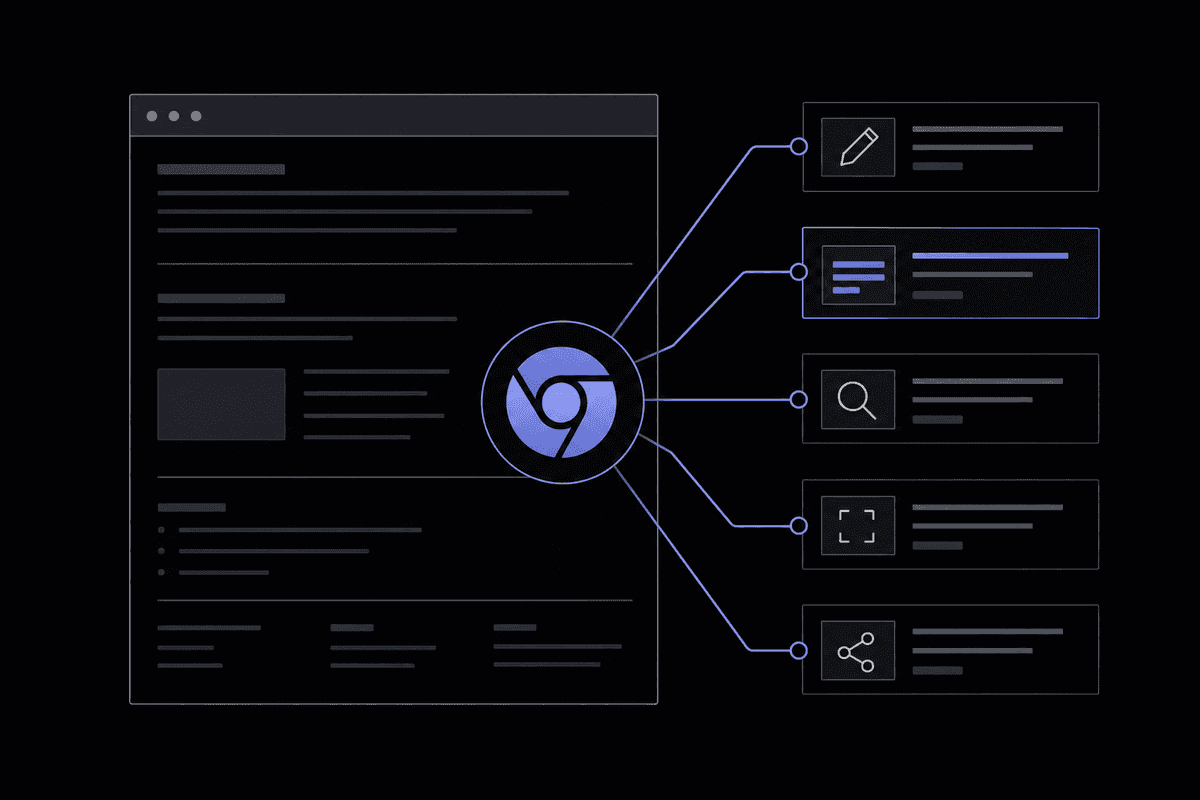
Find the best Chrome extensions for writers in 2026—grammar tools, focus blockers, SEO research, and AI assistants picked by writer type.
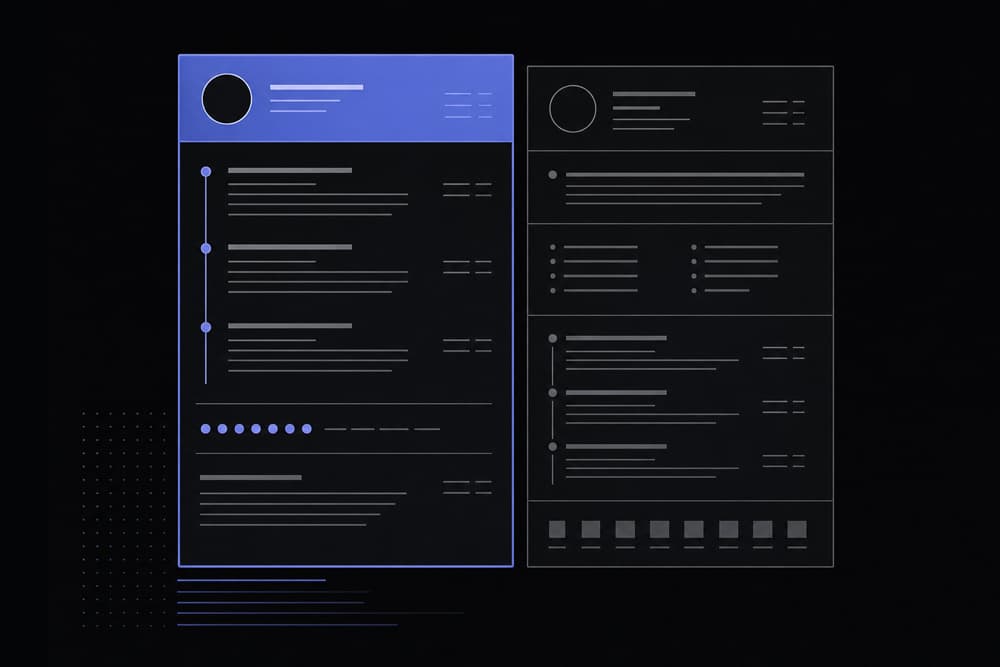
Not all resume formats are equal—chronological earns a 96% ATS pass rate while functional scores just 66%. Find out which format wins for your situation.
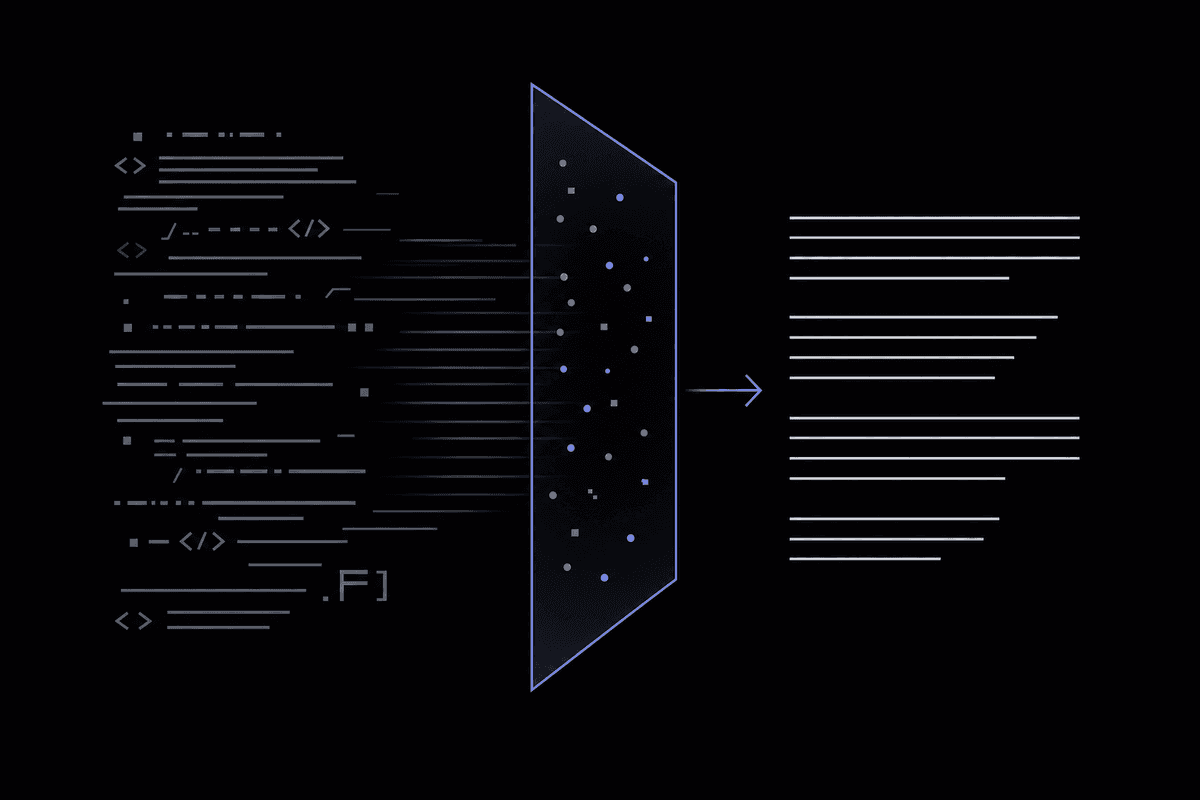
Stop losing hours to messy formatting. These 10 text cleaning tricks for writers tackle extra spaces, broken line breaks, HTML tags, and more in minutes.
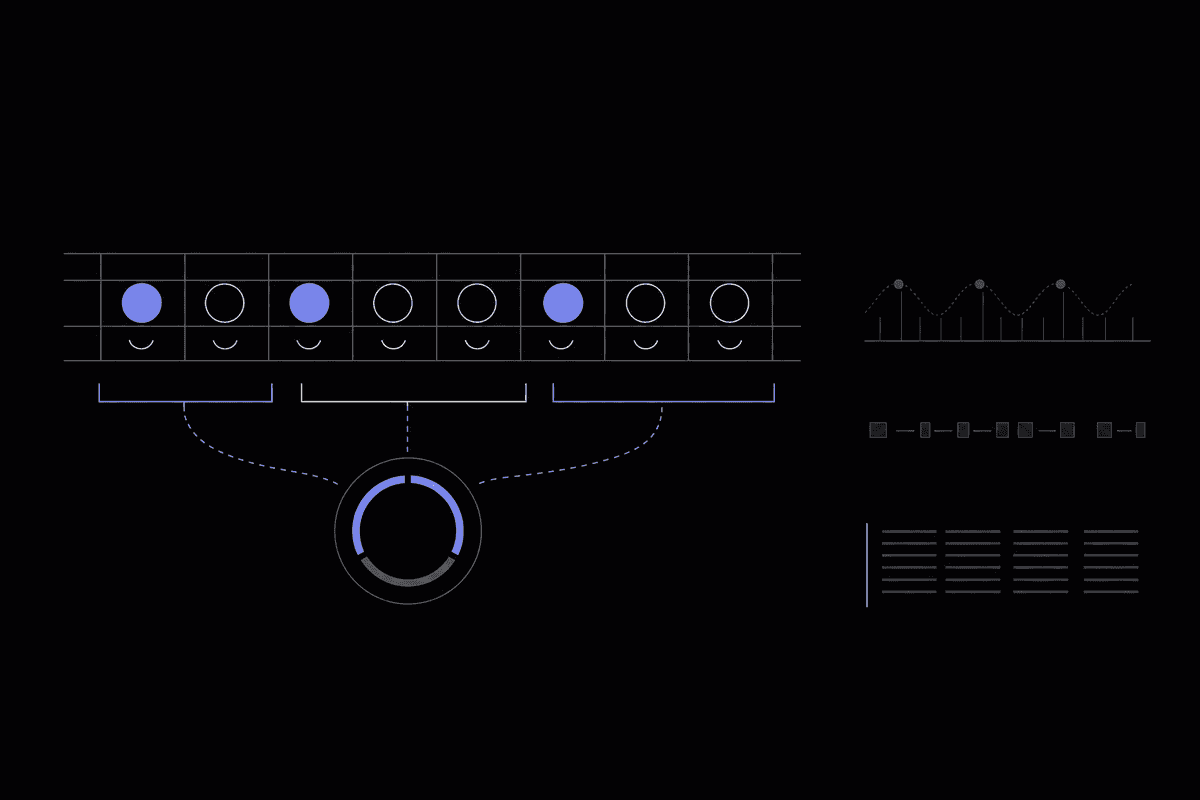
Learn syllable counting rules for haiku, sonnets, tanka & more. From chin-tap basics to iambic pentameter — master poetic form with confidence.
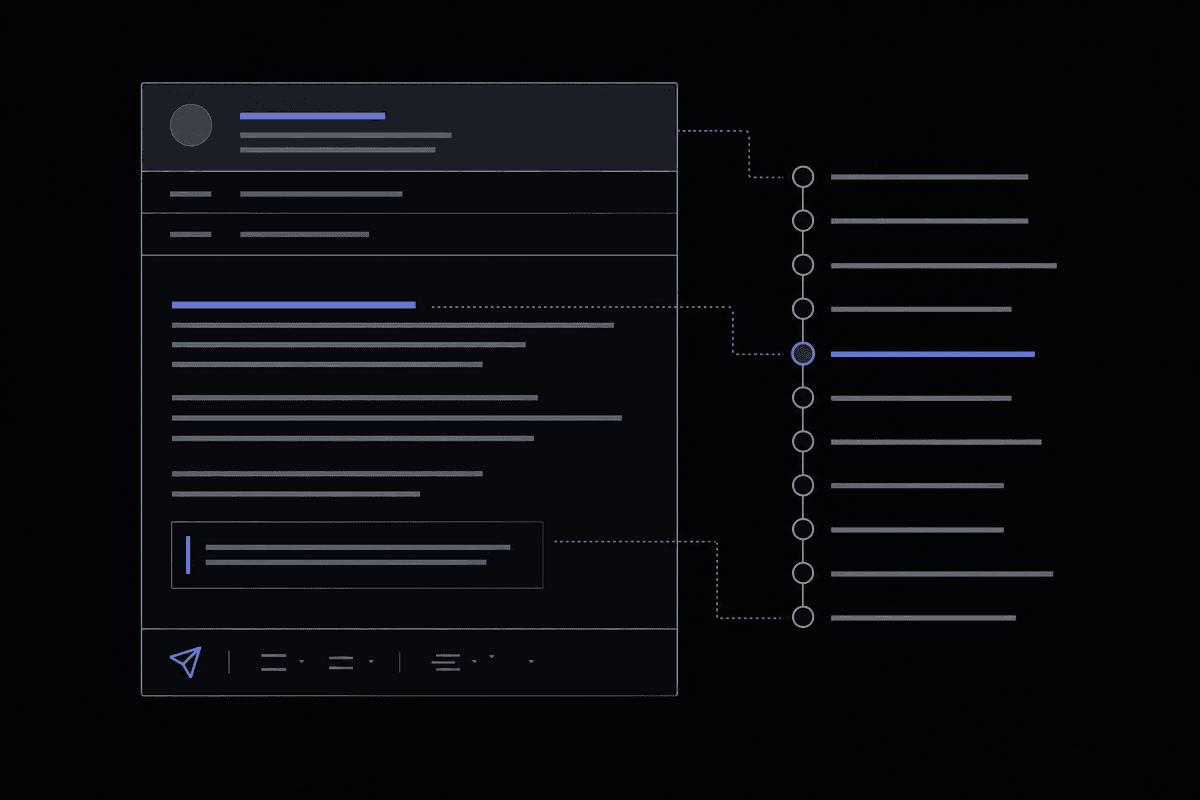
Learn 12 essential email writing tips for professionals—from subject lines to sign-offs—plus ready-made templates you can use immediately.
We tested 15 AI writing tools in 2026 — from ChatGPT to Sudowrite. See honest ratings, pricing, and which tool wins for your content type.
Compare the top plagiarism checkers of 2026 — free and paid — ranked by detection accuracy, AI content detection, and value for money.
Choosing between Notion and Google Docs for writing in 2026? We break down features, collaboration, SEO workflows, and who should use which tool.
Struggling to rank on Google? Learn how long-tail keywords give bloggers a real edge — with free research methods, niche examples, and a step-by-step strategy.
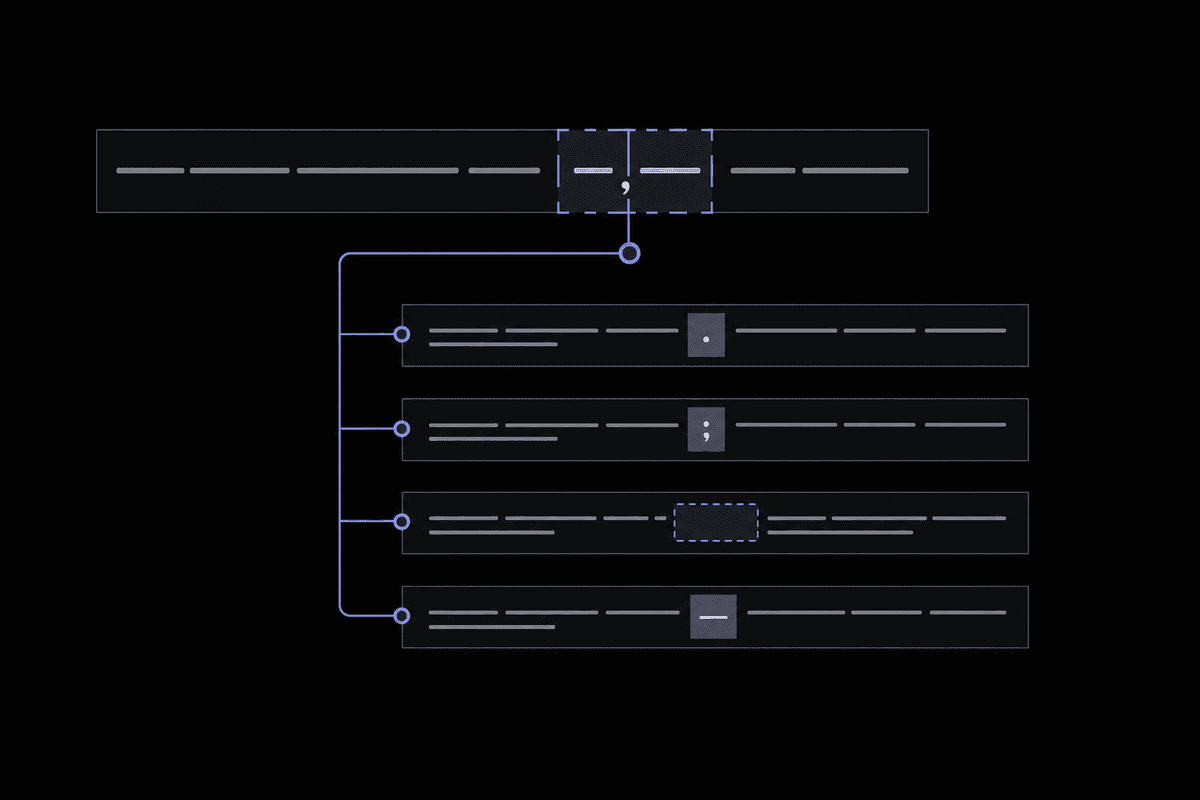
Run-on sentences killing your credibility? Learn the 4 fixes—periods, semicolons, and conjunctions—plus a checklist to catch every error before readers do.
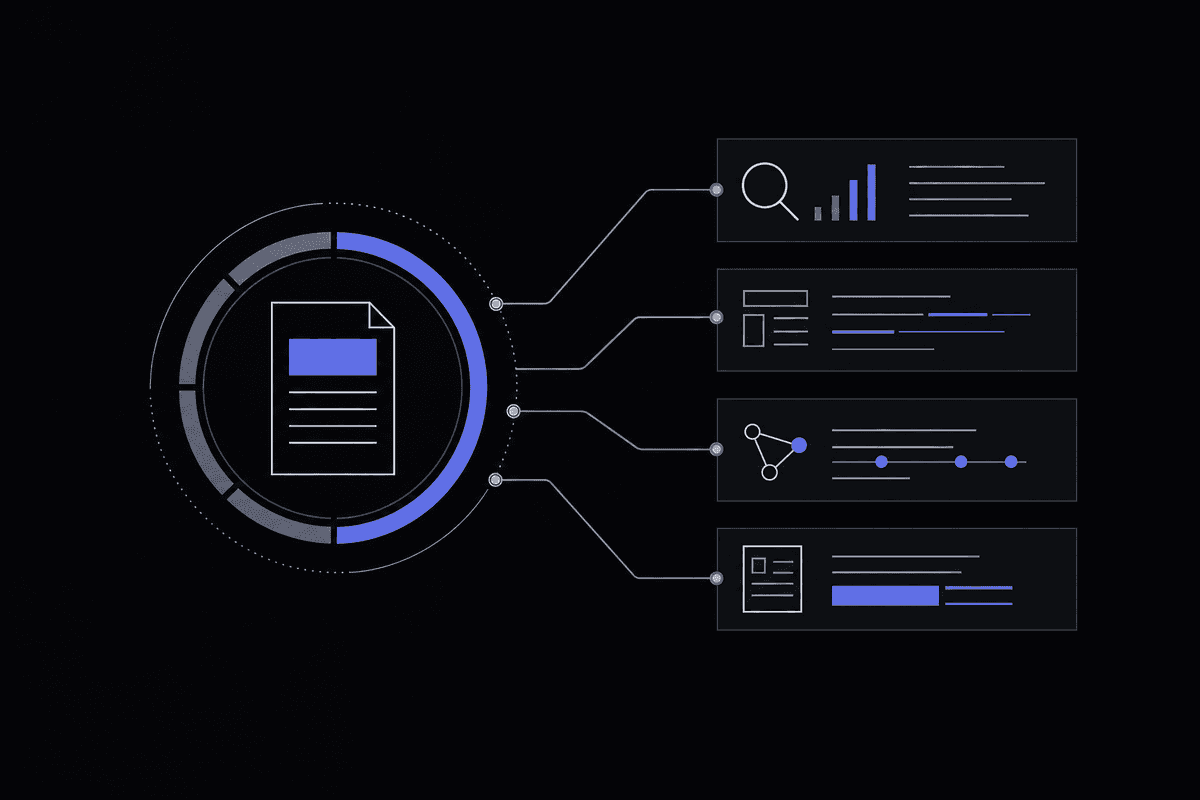
Skip the paid subscriptions. These tested free SEO tools cover every stage of a blogger's workflow in 2026 — from keyword research to technical audits.
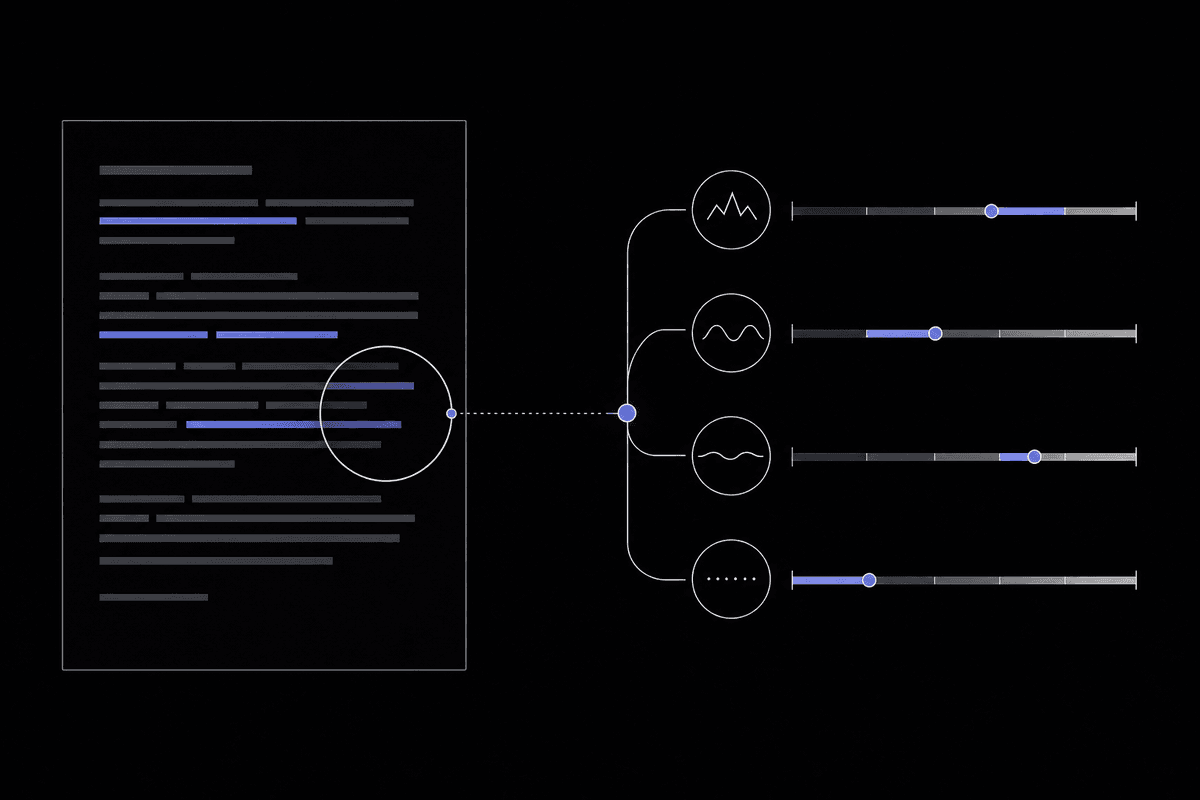
Tone in writing shapes whether readers trust, engage, or ignore you. Learn every type, how to analyze it, and how to adjust it for any audience or context.
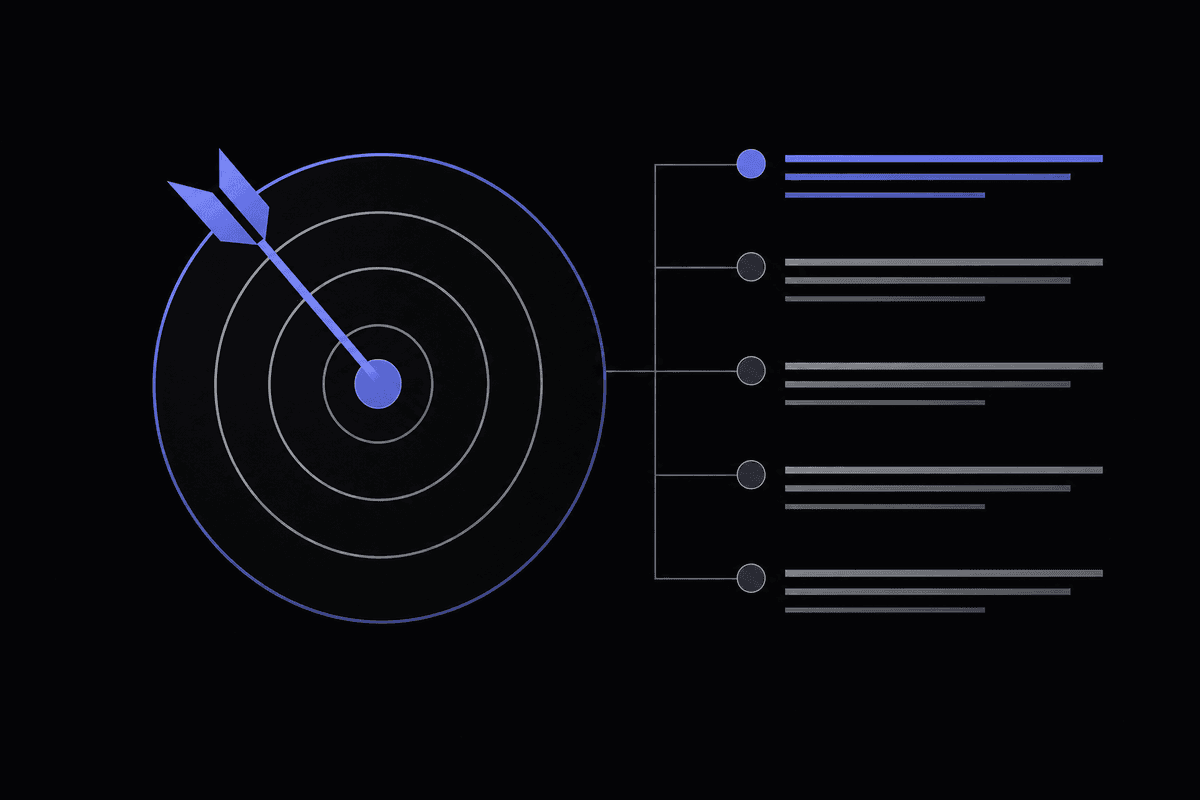
Discover 15 proven techniques to improve your writing skills fast—from daily habits and active reading to free tools that give instant, actionable feedback.
Struggling with choppy essays? Discover 100+ transition words organized by function—contrast, cause & effect, sequence, and more—with real before-and-after examples.
Learn keyword research for beginners in 2026 using only free tools. Go from blank page to a ranked content calendar with this step-by-step guide.
Confused about essay types? Break down all 7 formats — narrative to argumentative — with structures, examples, and ready-to-use outline templates.
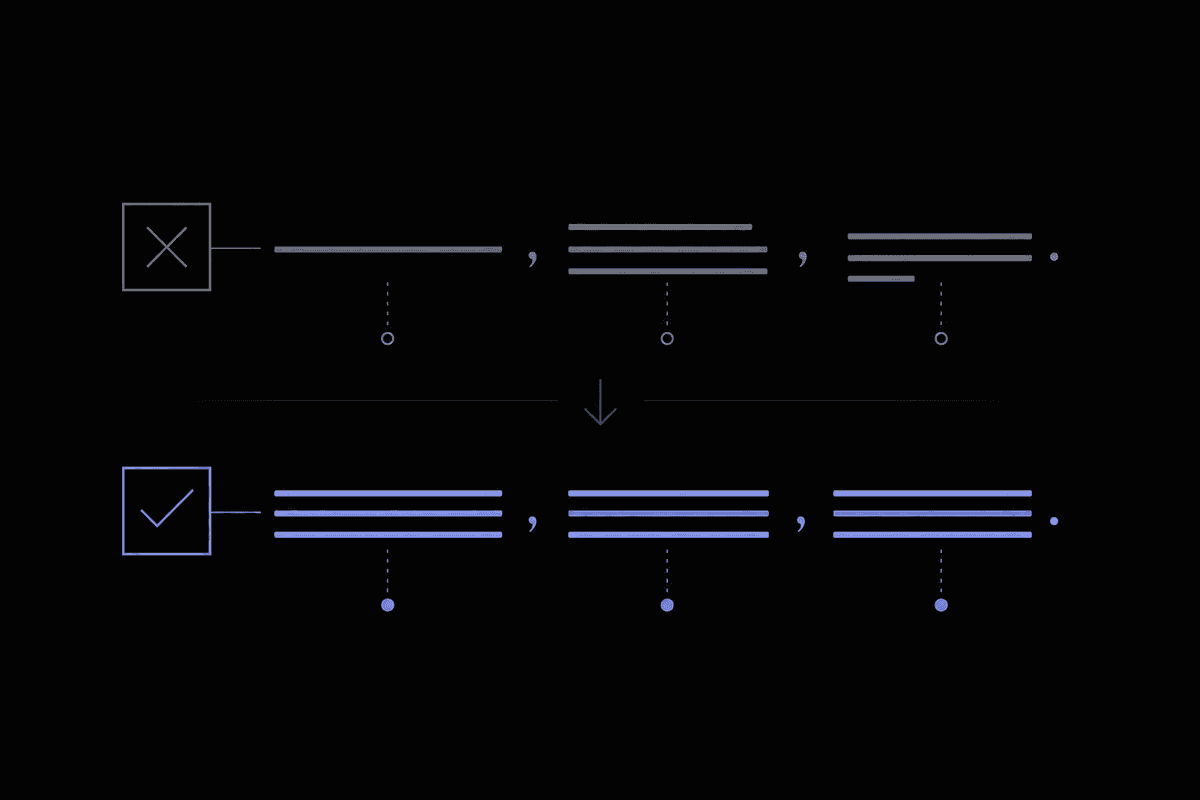
Learn what parallel structure is, why it matters, and how to fix faulty parallelism errors in lists, headings, and sentences with real before-and-after examples.
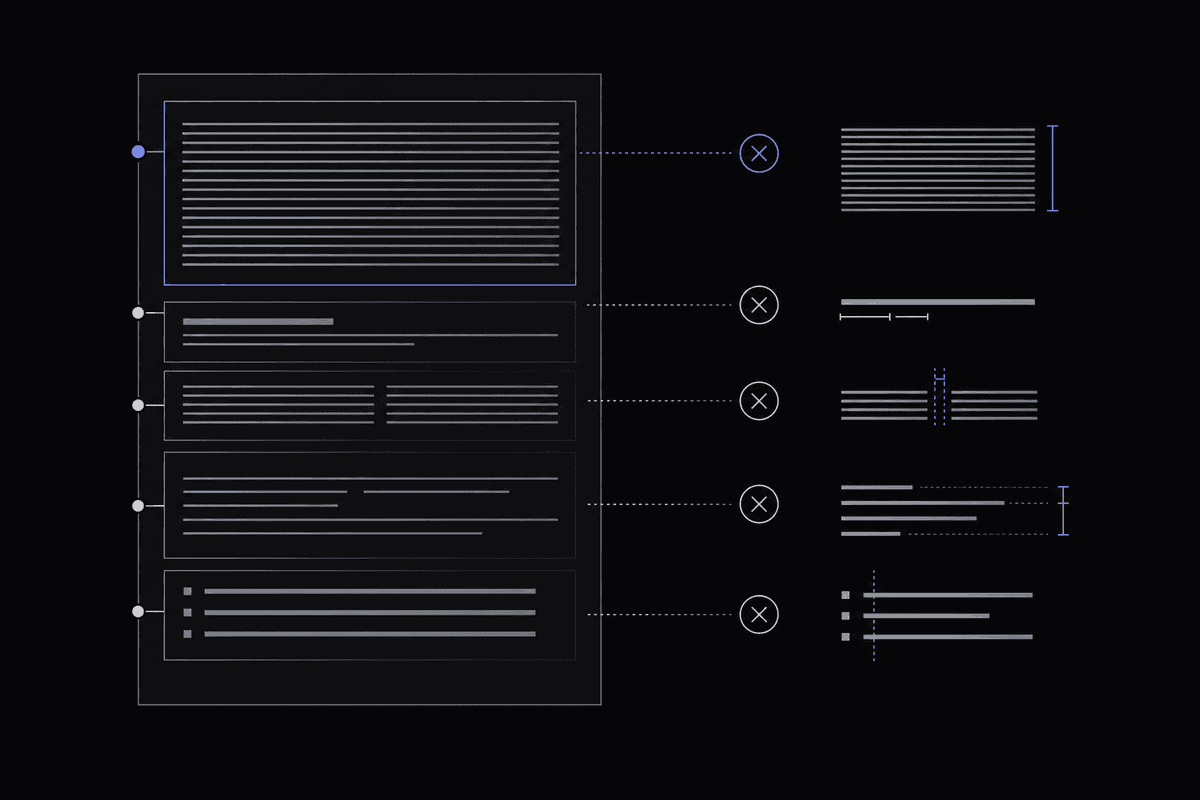
Walls of text, broken line breaks, rogue HTML tags — discover the 10 formatting mistakes silently killing your blog's readability and how to fix each one fast.
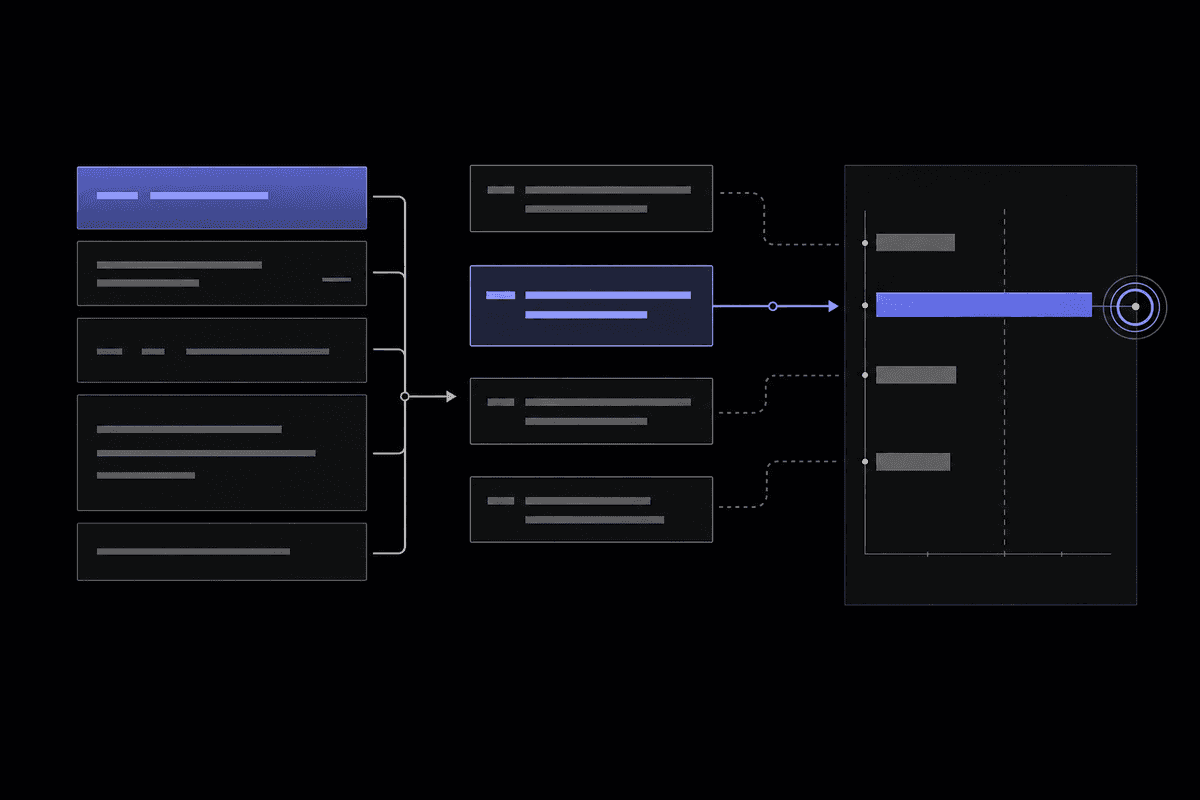
Master 15 proven headline formulas backed by real A/B test data. Includes power word lists, length guidelines, and copy-paste templates to boost your CTR.
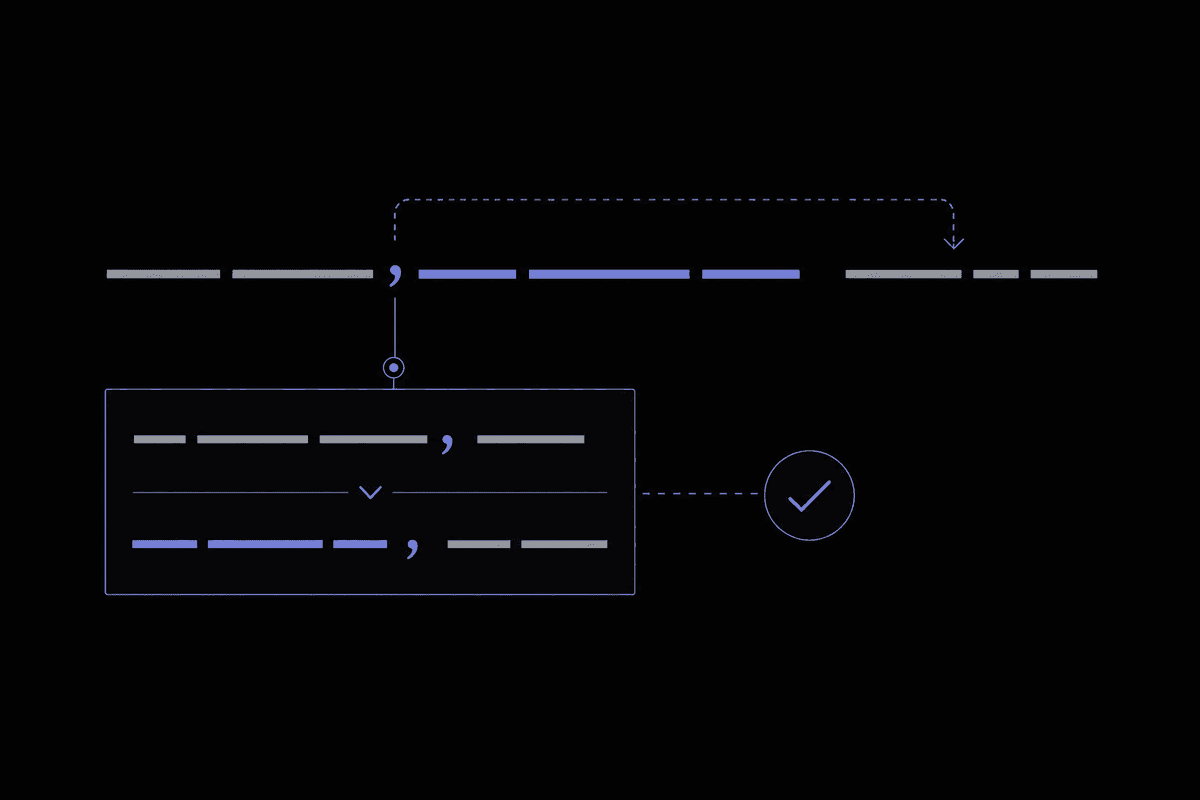
Dangling modifiers silently sabotage your writing credibility. Learn what they are, how to spot them, and 4 strategies to fix them fast.
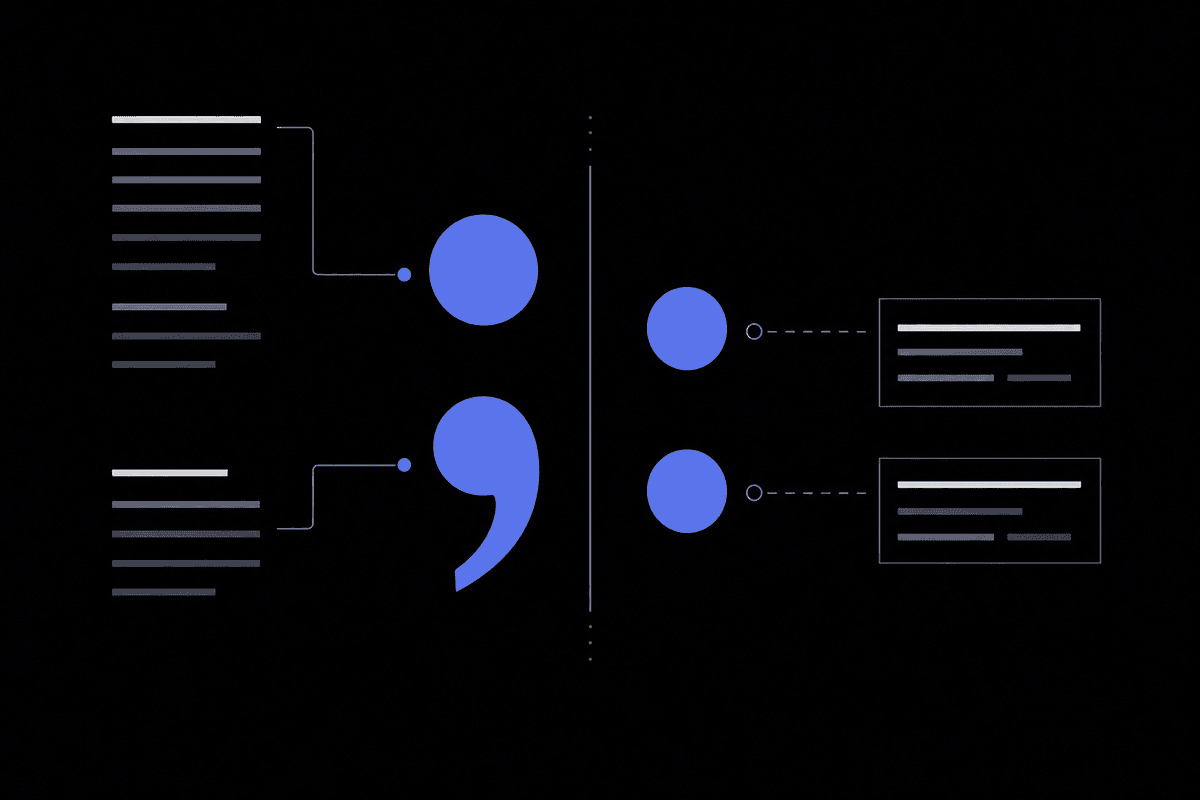
Semicolon or colon? Learn the exact rules, see side-by-side examples, and avoid the mistakes editors catch most — with a quiz to test your understanding.
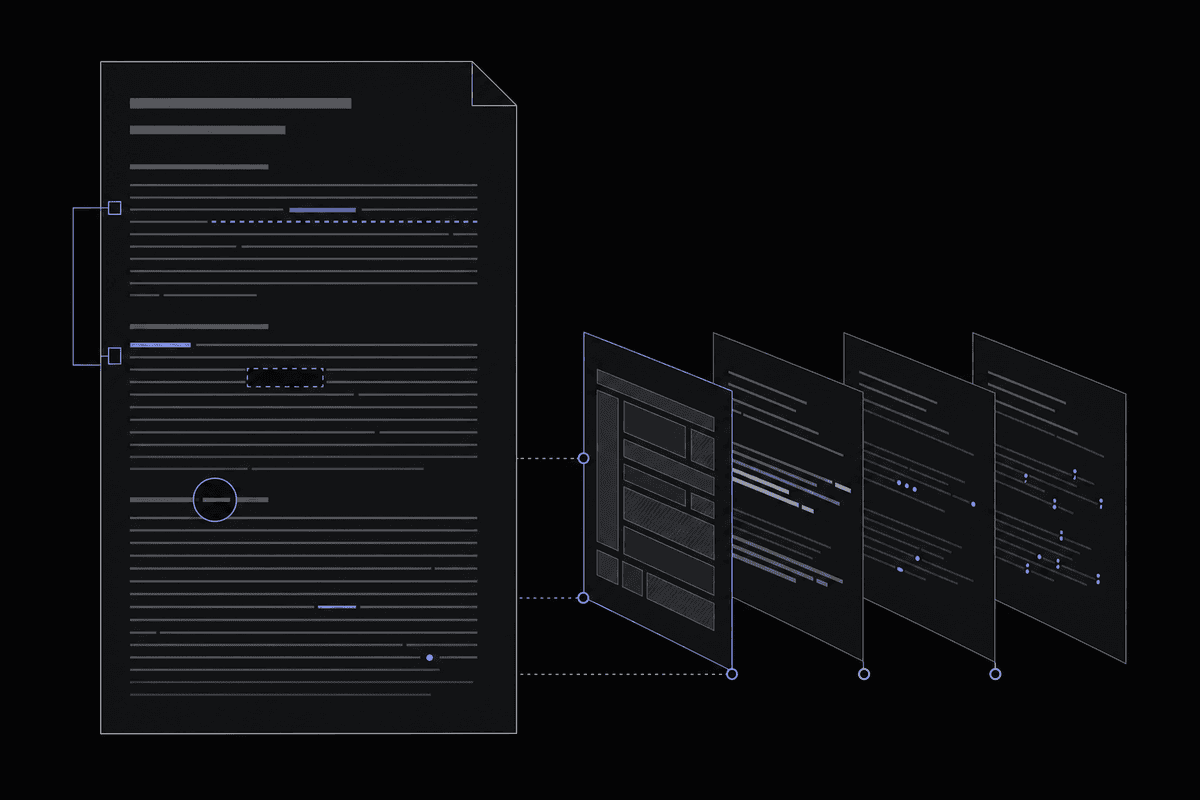
Stop wasting time fixing commas in paragraphs you'll cut. Learn the 4-stage editing system that turns messy first drafts into polished, publish-ready writing.
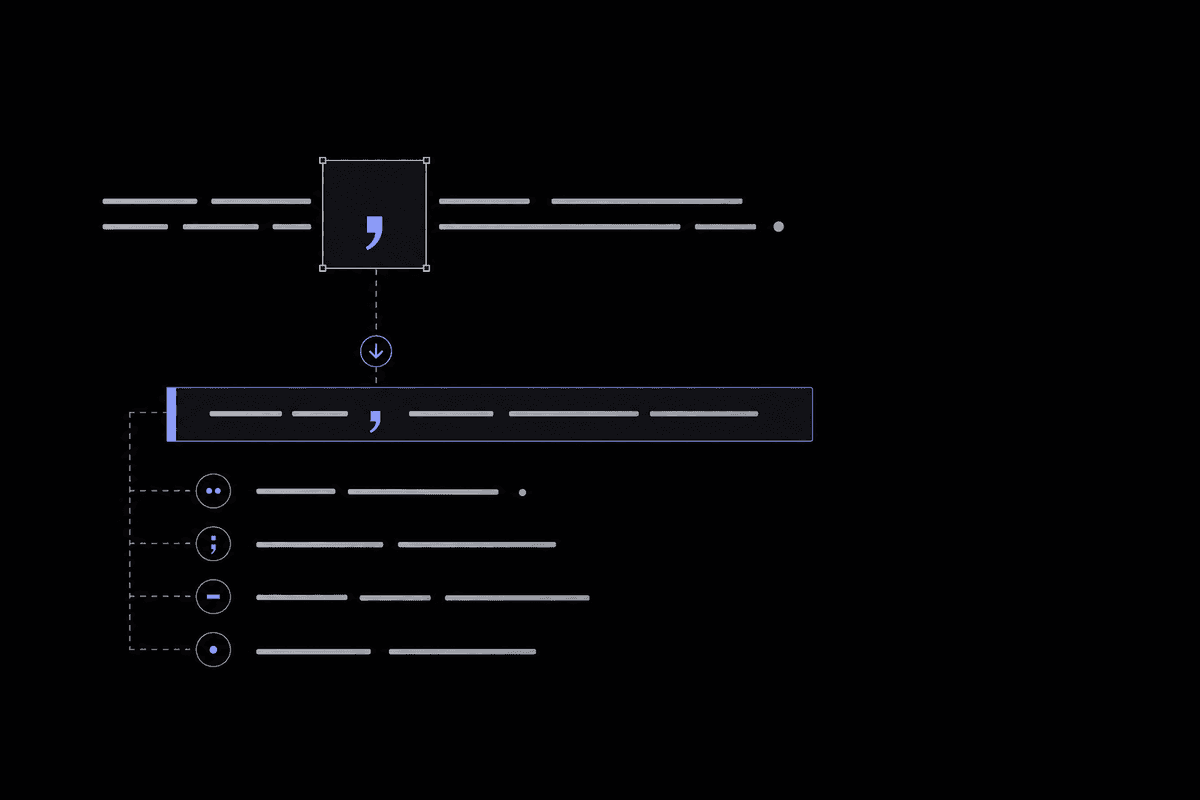
Comma splices, tense shifts, dangling modifiers — these silent credibility killers hurt your blog's trust and rankings. Learn how to find and fix them fast.
Discover how the Pomodoro Technique transforms long-form writing—beat procrastination, reduce fatigue, and produce more words with structured timed sprints.
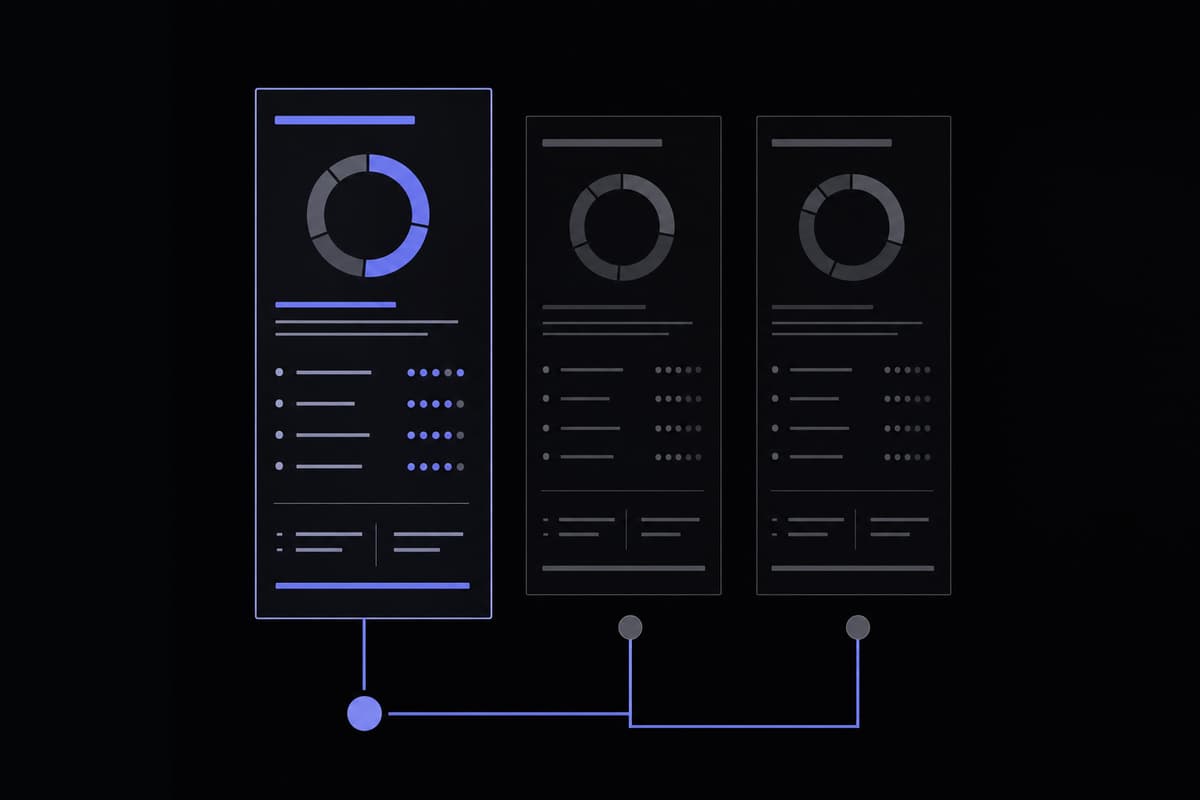
Not all writing tools are created equal. We pit Grammarly, Hemingway, and ProWritingAid head-to-head so you can pick the right one for your workflow.
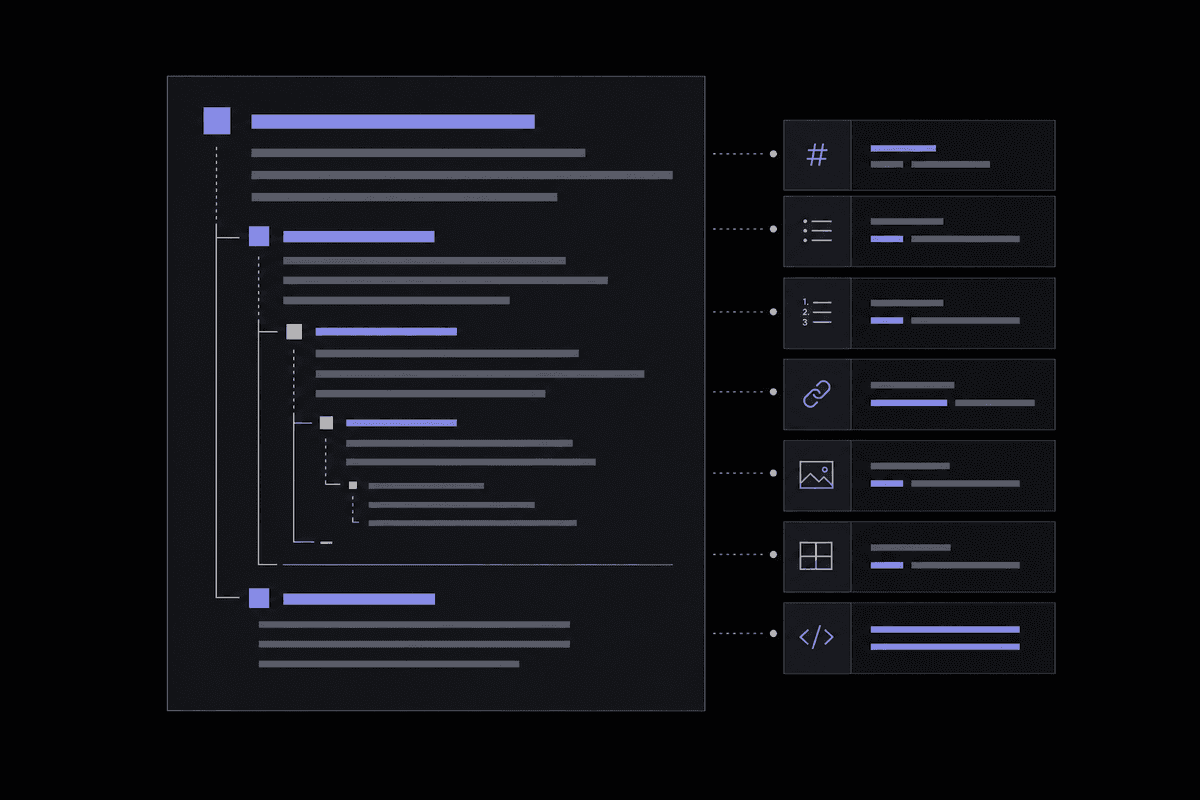
New to Markdown? This beginner's guide covers core syntax, a printable cheat sheet, and where to use Markdown in 2026—learn it in an afternoon.
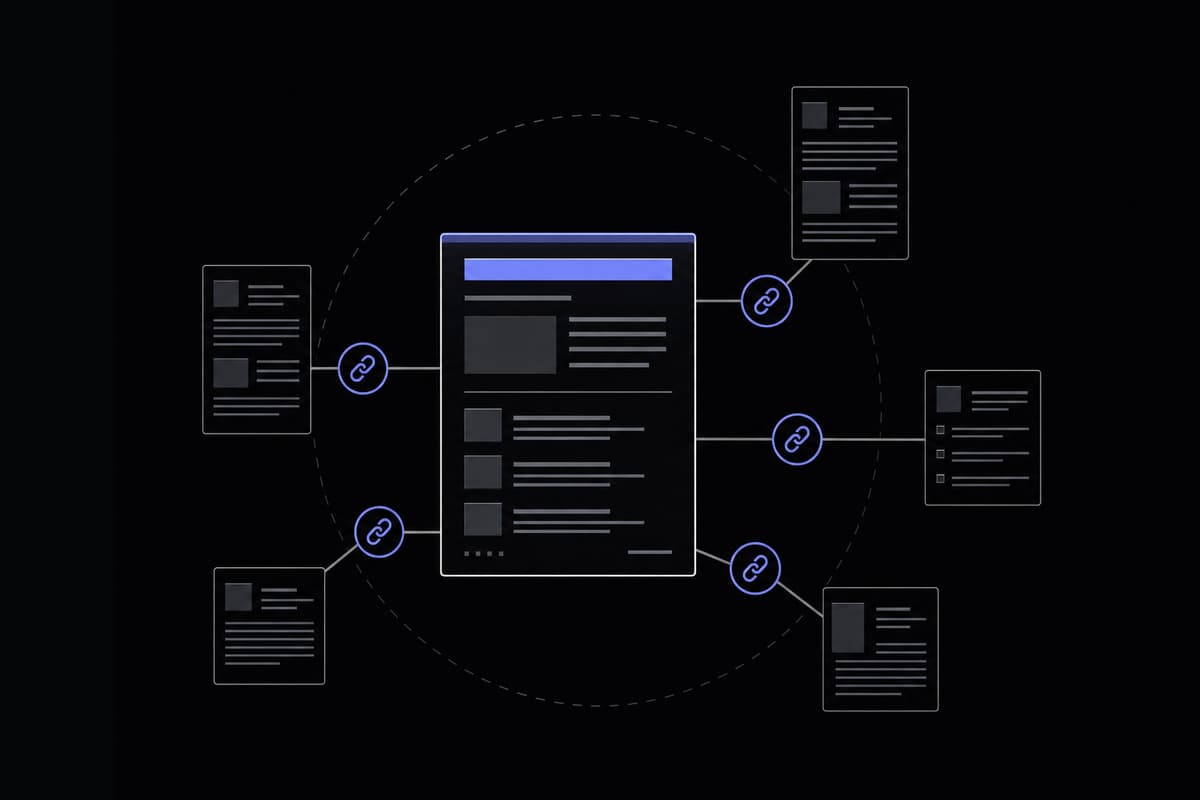
Struggling with traffic on page two? Your internal linking strategy may be the culprit. Discover the 2026 blueprint to connect your content and rank higher.
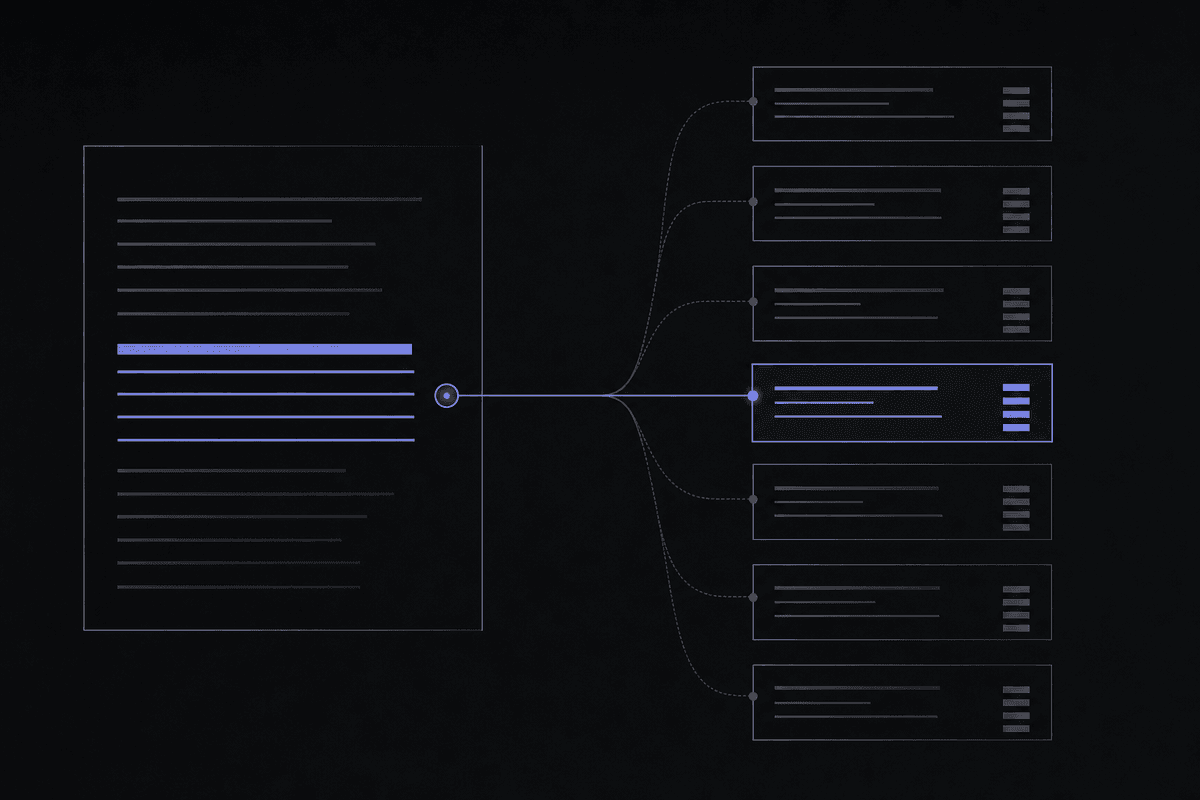
Confused by readability scores? We break down all 7 major formulas—Flesch, SMOG, Gunning Fog & more—so you know exactly which one to use and why.
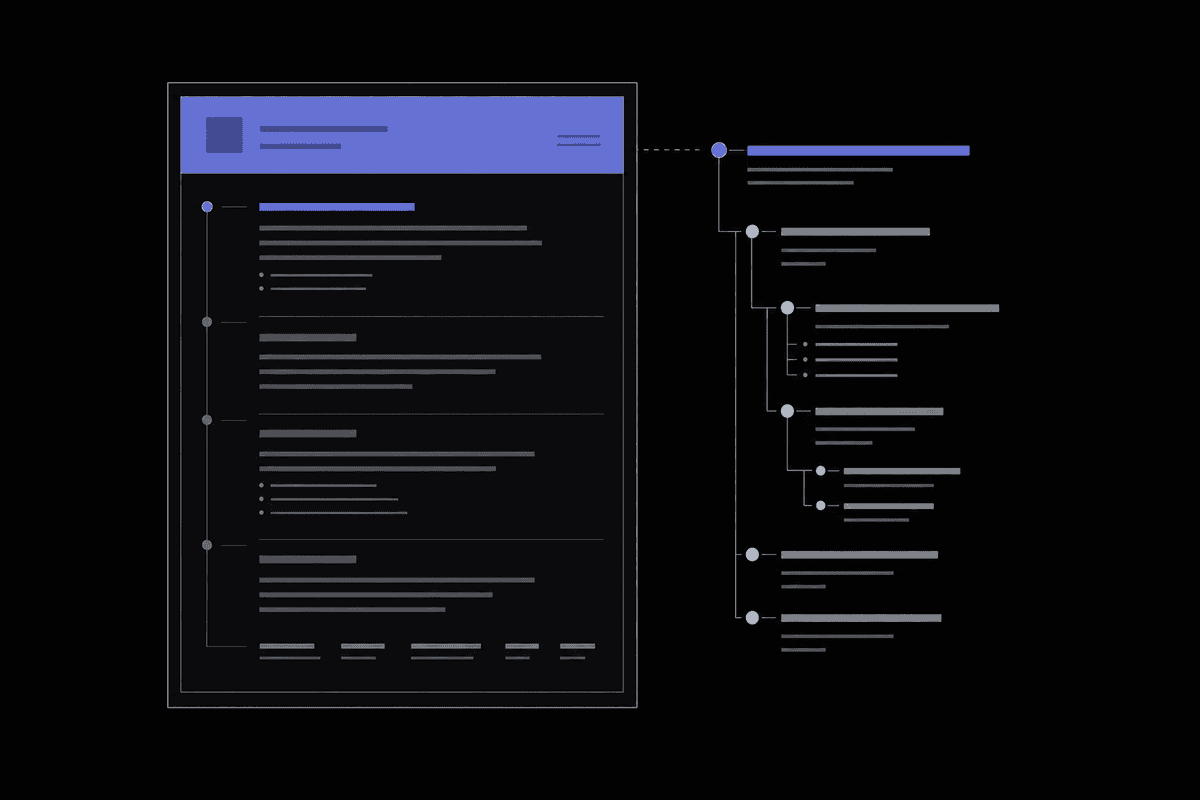
Struggling to rank despite great content? Discover the exact blog post structure that wins featured snippets, AI Overviews, and page-one rankings in 2026.
Tired of juggling too many tools? We break down the best writing apps for bloggers in 2026—drafting, SEO, grammar, AI & free utilities—by budget and workflow.
Flat, monotonous writing loses readers fast. Discover 10 proven sentence variety techniques—with before-and-after examples—to give your prose rhythm, flow, and impact.